Wildlife Rescue Coalition
of Northeast Florida
A 100% volunteer-led nonprofit dedicated to rescuing, rehabilitating, and releasing orphaned, injured, and displaced native Florida wildlife — operating from a 25-acre private facility in St. Augustine. The Wildlife Rescue Coalition has been serving the community since 1997.
Founded in a Backyard.
Now Rescuing Thousands.
The Wildlife Rescue Coalition of NE Florida (WRCNEF) was founded in 1997 by Barbara Tidwell, who began rescuing wildlife from her own backyard. What started as one person's passion has grown into one of the largest grassroots wildlife rescue organizations in Northeast Florida — serving communities from Fernandina Beach to Palm Coast, Hastings, and Palatka.
Respect. Educate. Conserve.
"To ensure respect for all wildlife through education and conservation, while providing orphaned, injured and displaced animals with a second chance at life."
— WRCNEF Mission Statement
Led by President and Director Lisa Rowell and Center Coordinator Debbie Yearwood, the Coalition operates entirely on volunteer power. Every rescued animal — whether orphaned by storm, injured by traffic, displaced by construction, or victims of poisoning and mistreatment — receives dedicated care through their proven rescue-to-release pipeline.
- 25-acre private facility in St. Augustine, FL
- Rescues 3,500 native FL animals per year
- Partners with FWC, Animal Help Now, and The Ark
From Capture to Release: A Seamless Pipeline
When Wildlife Warriors humanely captures an animal, we coordinate directly with WRCNEF's dedicated hotline team. Their phone volunteers — available from 8:00 a.m. to 8:00 p.m. daily — perform crucial assessments and dispatch transport volunteers to bring animals to the center or place them with experienced fosters.
Once in the Coalition's care, animals enter a proven rehabilitation pipeline. Foster volunteers provide medical monitoring, specialized feeding, and "wilding" — the gradual process of preparing rehabilitated animals for successful release back into their natural habitat.
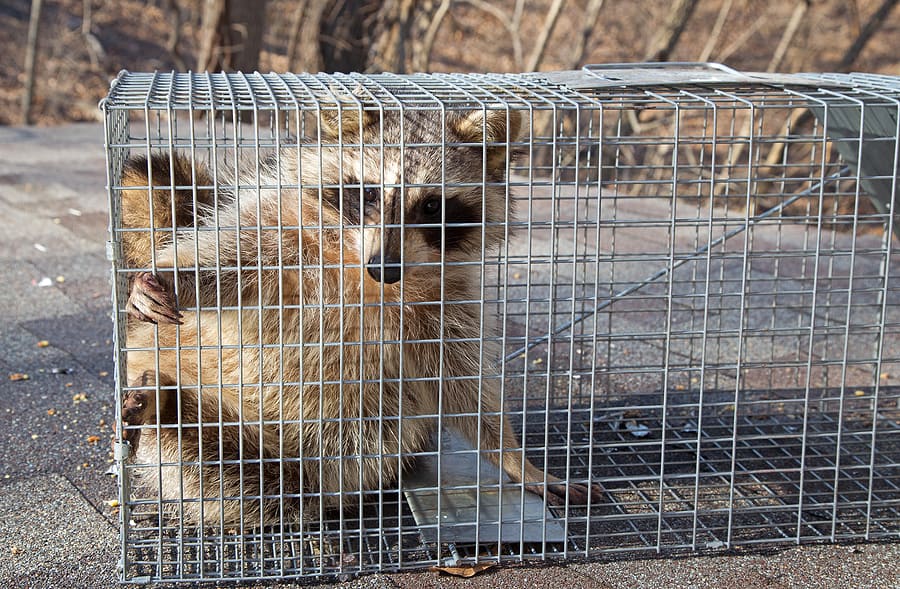
- Non-invasive, humane trapping by Wildlife Warriors
- Immediate coordination with WRCNEF rescue hotline
- Professional rehabilitation and monitored release
How the Coalition Works
The Coalition runs on the dedication of volunteers who fill four critical roles — each essential to the rescue-to-release pipeline.
Phone Team
Monitors the rescue hotline from 8 a.m. to 8 p.m. daily, performing crucial assessments over the phone — determining whether an animal truly needs rescue or if reunification with its mother is possible.
Transport Team
Mission-critical volunteers who respond to animals in distress across the region, safely transporting them to foster homes, veterinarians, or the 25-acre St. Augustine facility.
Foster Caretakers
Experienced volunteers who care for injured and orphaned animals in their own homes — providing specialized feeding, medical monitoring, and "wilding" to prepare animals for release.
Center Caretakers
Daily care at the St. Augustine facility includes feeding, administering medications, cleaning enclosures, and providing hands-on care for animals that require facility-level rehabilitation.
Species They Protect
From raccoons and squirrels to gopher tortoises and deer, the Coalition cares for a wide range of native Florida wildlife — victims of traffic, storms, construction, predators, poisoning, and mistreatment.
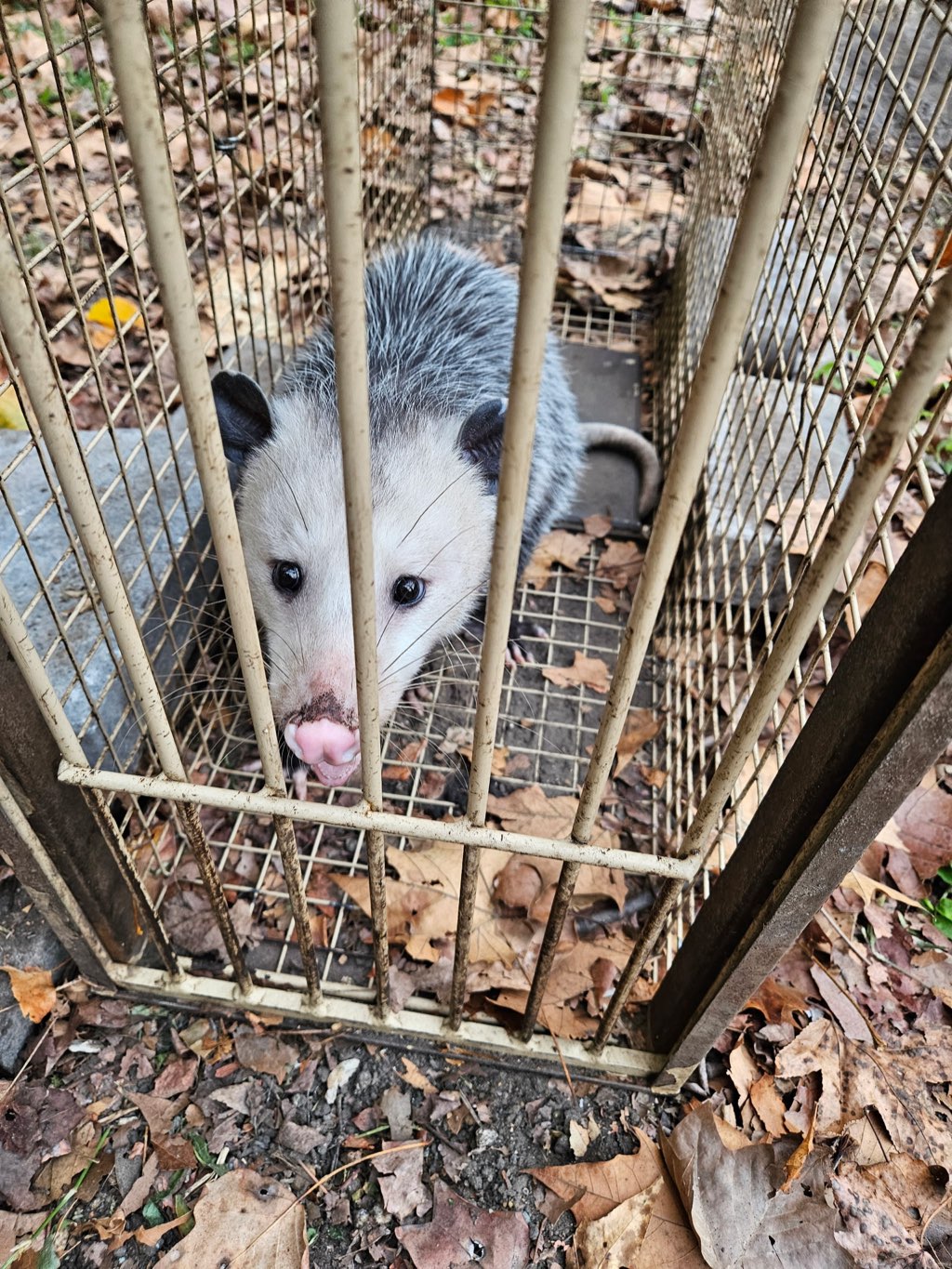
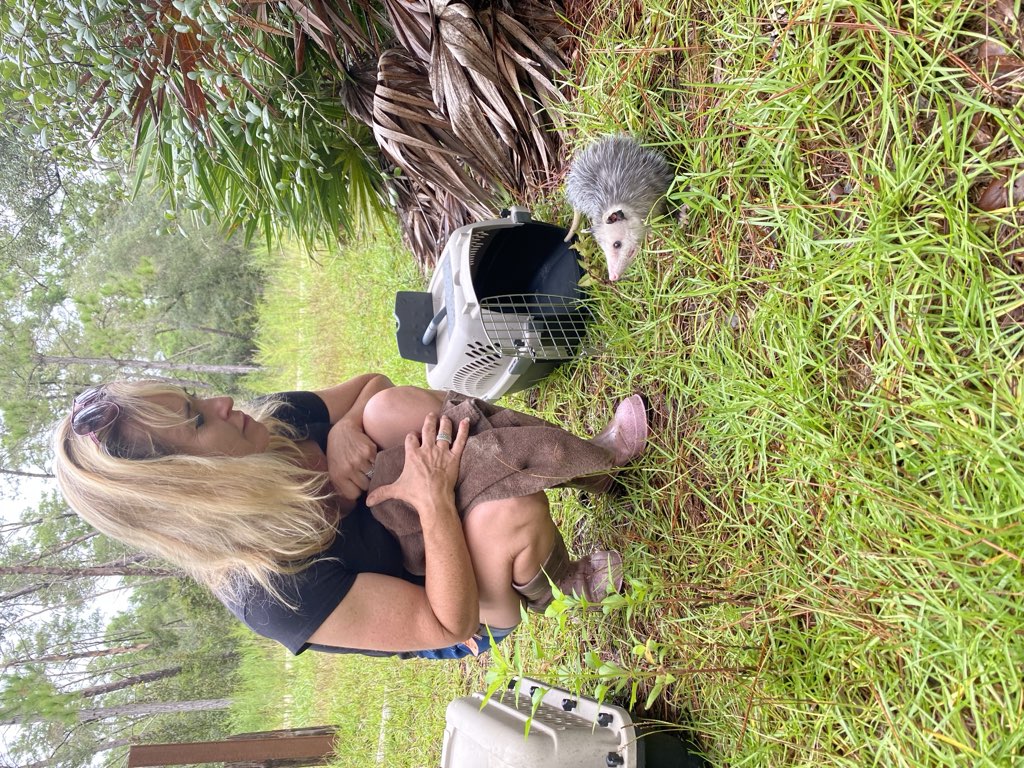
Raccoons & Opossums
Among the most commonly rescued species in NE Florida — often orphaned by storms or injured by vehicles
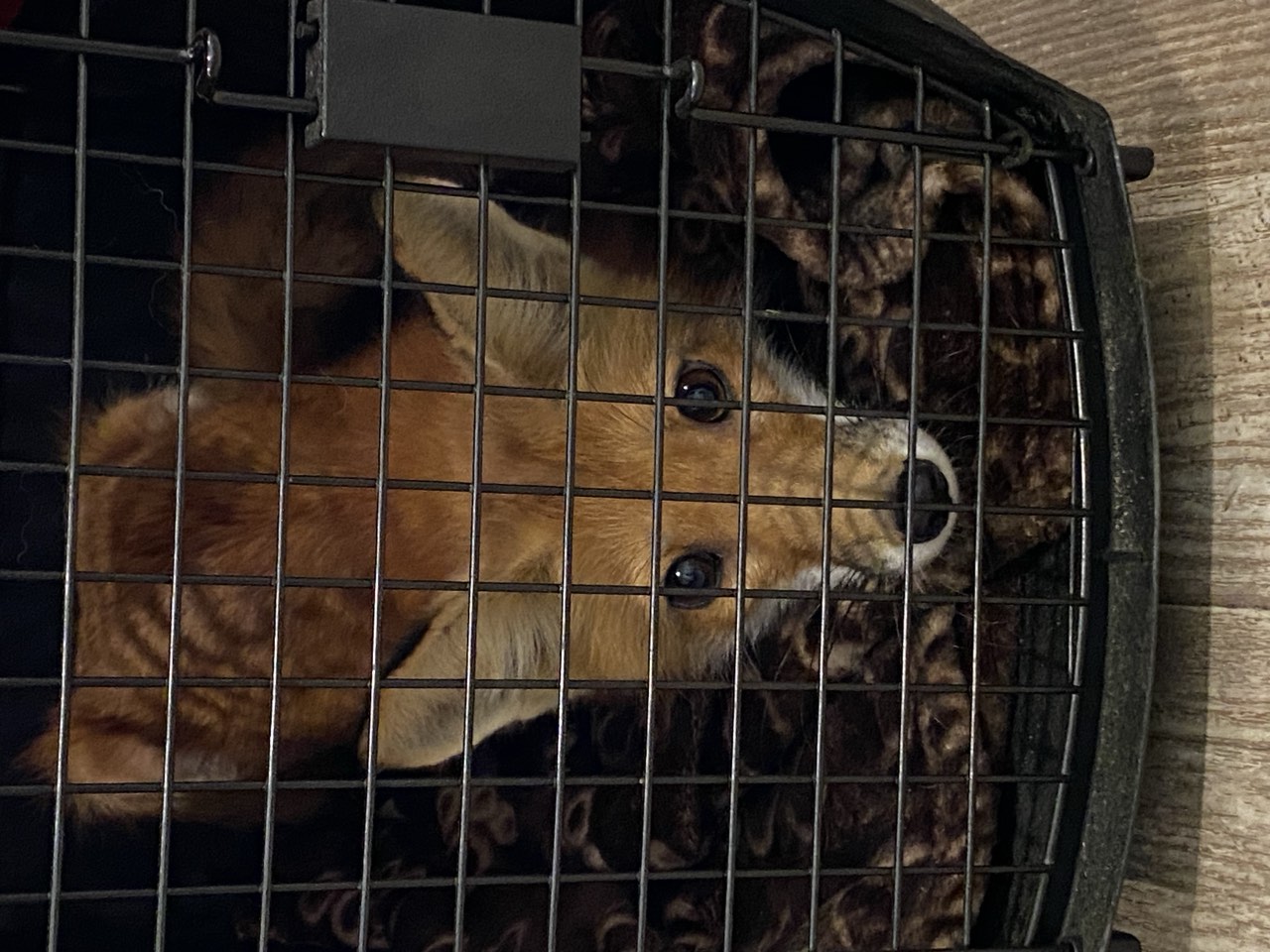
Squirrels & Small Mammals
Orphaned babies are fostered by experienced volunteers in their homes until ready for release
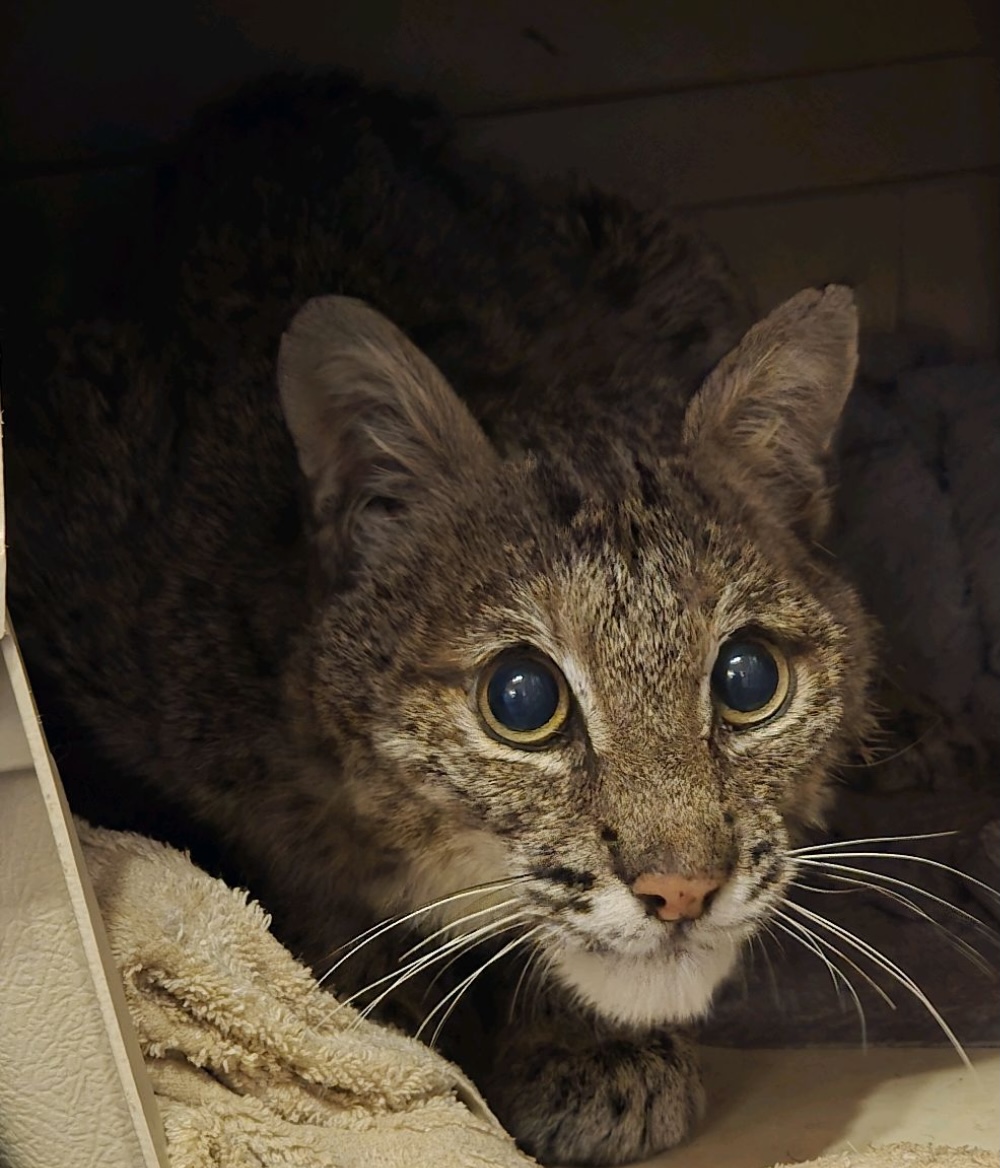
Deer, Large Cats & More
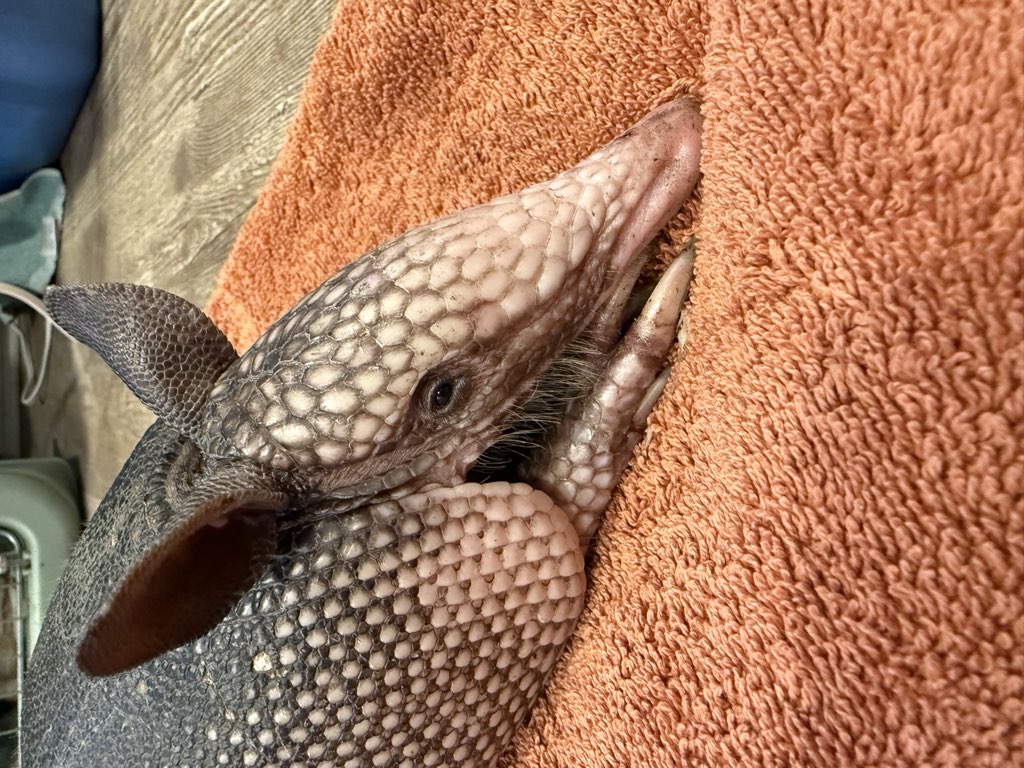
Gopher tortoises, armadillos, bats, and deer also receive care at the St. Augustine center
Found a Wild Animal?
Here's what to do — and common myths to ignore.
What To Do
- Call the WRCNEF hotline immediately: (904) 779-5569. Messages are monitored 8 a.m. to 8 p.m. daily.
- Keep the animal warm and safe — do not attempt to feed or give water. Improper feeding can cause fatal aspiration.
- Try reunification first — mom's care is always best. If a baby is uninjured, attempt to reunite it with its mother before intervening. The phone team will guide you through this process.
- Place in a dark, quiet spot — a ventilated box with a towel on a heating pad (set to low) can help keep the animal calm until help arrives.
Common Myths Debunked
"Raccoons out during the day are rabid."
Not true. There are many reasons a raccoon may be active during daylight — including nursing mothers searching for food to support their young.
"If you touch a baby animal, the mother will reject it."
This is a myth. Most wildlife mothers will readily accept their babies back. WRCNEF always recommends attempting reunification first.
"Orphaned babies need to be brought in right away."
Mom's care is always best. Reunification should be the first priority unless the animal is visibly injured or in immediate danger.
"Rehabilitated animals can never be released."
The Coalition's entire mission revolves around "wilding" — preparing animals for successful release as soon as they are healthy and self-sufficient.
Not true. There are many reasons a raccoon may be active during daylight — including nursing mothers searching for food to support their young.
This is a myth. Most wildlife mothers will readily accept their babies back. WRCNEF always recommends attempting reunification first.
Mom's care is always best. Reunification should be the first priority unless the animal is visibly injured or in immediate danger.
The Coalition's entire mission revolves around "wilding" — preparing animals for successful release as soon as they are healthy and self-sufficient.
Support the Coalition
WRCNEF is 100% volunteer-run with no paid staff. Every donation goes directly to animal care — food, medical supplies, and facility maintenance.
Donate Directly
Contributions via PayPal or Zelle ((904) 779-5569) go directly to animal care. No administrative overhead — every dollar counts.
Donate NowVolunteer
Join as a center caretaker, transport driver, foster parent, or phone team member. Students 17+ can earn service hours. Training is provided.
Learn MoreAmazon Wishlist
The Coalition maintains an Amazon Wishlist of critical supplies — fresh produce, pet food, cleaning supplies, and medical items needed daily.
View WishlistCoverage Area
The Wildlife Rescue Coalition serves Northeast Florida including Fernandina Beach, Palm Coast, Hastings, and Palatka — all coordinated from their 25-acre private facility in St. Augustine, FL.
Other Regional Resources
Florida Fish and Wildlife (FWC): 386-758-0525
FWC Law Enforcement Hotline: 888-404-3922
Animal Help Now: AHNOW.ORG
Ready to move wildlife the right way?
Join thousands of homeowners and businesses who chose ethical conservation over simple removal. Let's protect our ecosystem together.